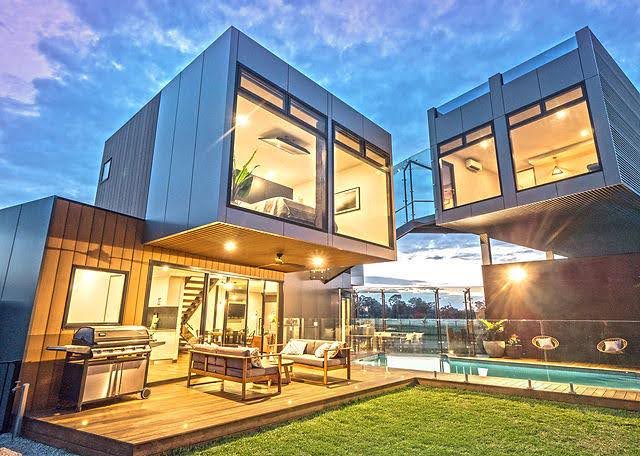
In a time when affordability, sustainability, and speed of construction are more important than ever, container homes have emerged as one of the most innovative solutions in modern architecture. Transforming steel shipping containers into stylish, functional living spaces is no longer a fringe idea—it’s a fast-growing movement attracting homeowners, developers, and investors worldwide.
What Are Container Homes?
Container homes are residential or commercial structures built using recycled steel shipping containers. These containers, originally designed for global transport, offer a durable, modular, and cost-effective building block that can be adapted into a wide range of living spaces—from compact studios to multi-level luxury homes.
Why Container Homes Are Becoming So Popular?
1. Affordability Without Compromise
Container homes typically cost less than traditional construction, thanks to reduced building materials and shorter construction timelines. This makes them an appealing option for first-time homeowners, downsizers, and developers aiming to provide affordable housing solutions.
2. Eco-Friendly and Sustainable
Repurposing shipping containers helps reduce industrial waste while minimizing the carbon footprint of a new build. Pair this with features like solar panels, rain-harvesting systems, and energy-efficient insulation, and you get a home that supports long-term sustainability.
3. Remarkably Fast Construction
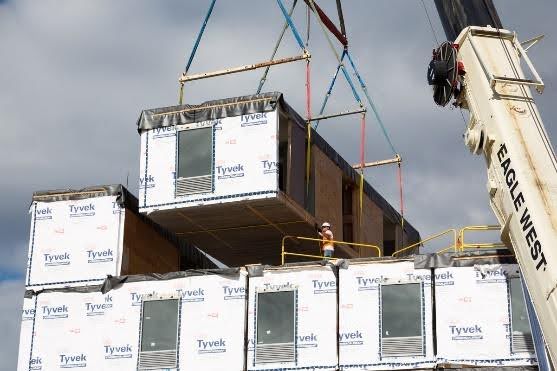
Unlike conventional builds that take months (or years), container homes can be fabricated and assembled in weeks. Many components are prefabricated off-site, speeding up the process and reducing disruption to the surrounding environment.
4. Strength, Durability & Resilience
Shipping containers are engineered to withstand harsh weather, heavy loads, and long-distance transport—qualities that translate into exceptional strength and durability for housing applications.
5. Customizable and Stylish
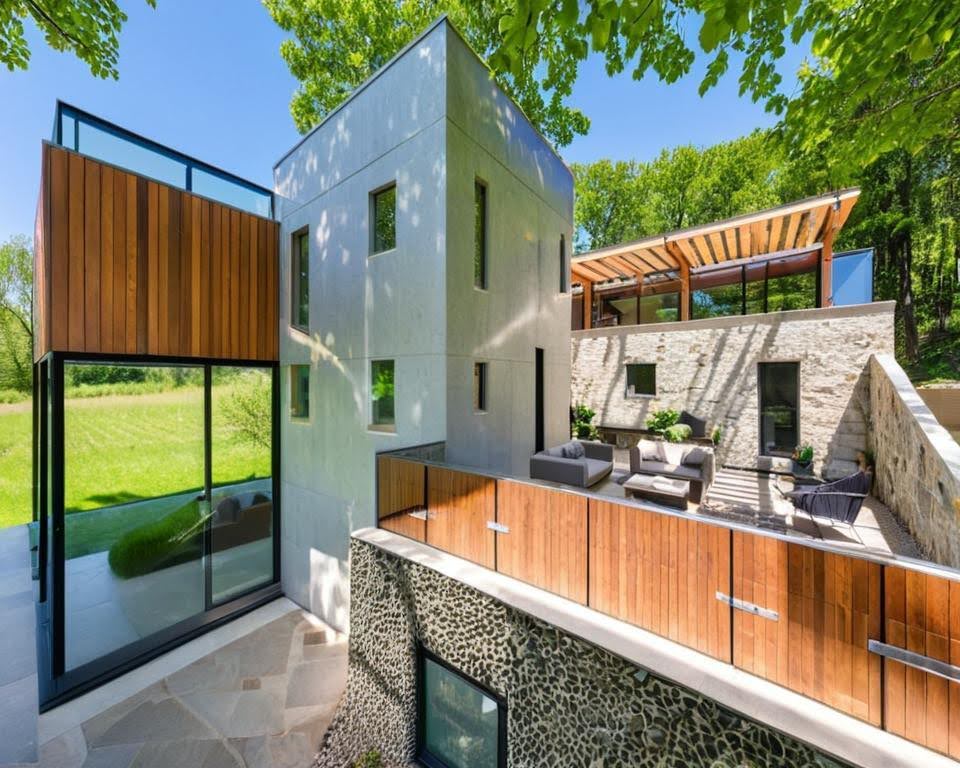
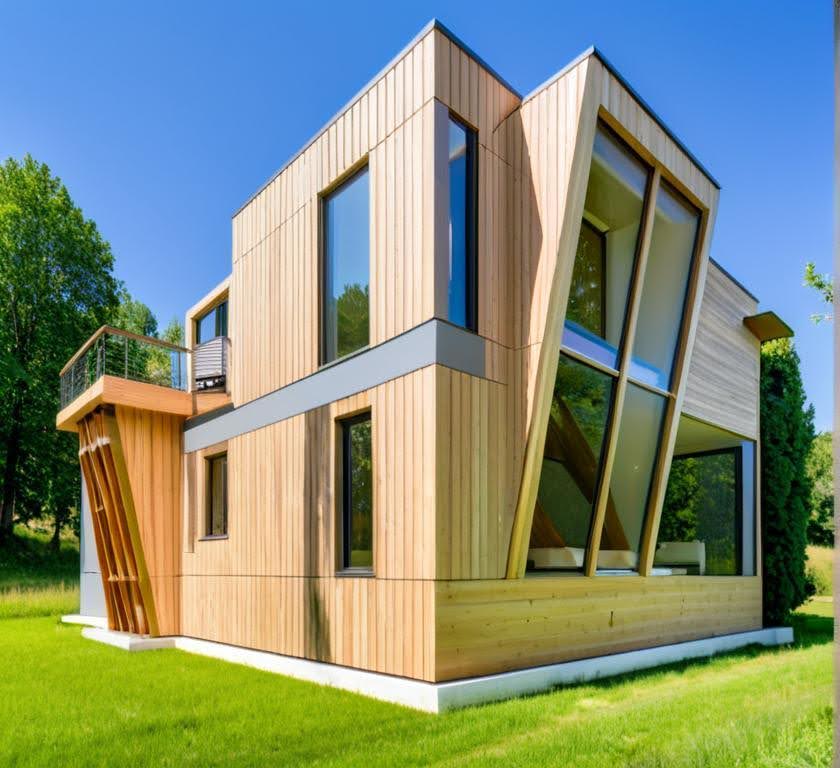
From minimalist modern cabins to upscale luxury villas, container homes offer almost unlimited design flexibility. Architects can stack, join, or modify containers to create unique layouts that cater to a wide range of aesthetic and functional preferences.
Common Uses for Container Structures
Container architecture extends far beyond residential housing. Today, they are used for:
- Affordable housing developments
- Vacation retreats and eco-resorts
- Pop-up retail spaces
- Office buildings
- Emergency shelters
- Student accommodations
Their modular nature makes them adaptable for both temporary and permanent solutions.
Key Considerations Before Building a Container Home
1. Local Codes & Regulations
Municipal zoning laws and building codes vary widely. Always consult local authorities to ensure compliance and secure required permits.
2. Insulation & Ventilation
Without proper insulation, containers can become hot or cold depending on the climate. High-quality insulation, ventilation, and moisture barriers are essential.
3. Structural Modifications
Cutting large openings for windows, doors, or room expansion requires expert engineering to maintain the structural integrity of the steel frame.
4. Site Preparation
Leveling, foundation design, and site planning are crucial, especially in challenging or remote areas.
Container Homes as a Future-Proof Solution
For regions like Canada, where people are working on sustainable housing and homelessness solutions, container homes offer a powerful combination of speed, affordability, and scalability. Governments and private developers are increasingly turning to container units as part of long-term community planning and rapid deployment solutions.
The versatility of container construction makes it an excellent tool not only for eco-conscious homeowners but also for social-impact projects, emergency housing, and cost-effective community development—perfectly aligned with your work in nation-building and sustainable design.
Final Thoughts
Container homes represent more than a design trend—they are part of a larger global shift toward innovation, sustainability, and accessible living. With the right vision, they can be transformed into beautiful, functional, and environmentally responsible spaces that redefine what housing can look like.