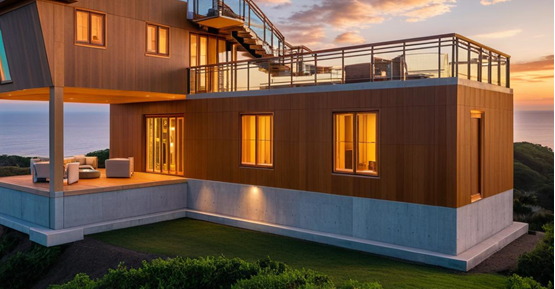
Sustainable building technology is reshaping the way we design, construct, and operate our built environment. As climate change accelerates and global populations grow, the demand for smarter, greener, and more resilient structures has never been greater. Today’s innovations go far beyond traditional “eco-friendly” materials—they integrate advanced engineering, smart systems, and resource-efficient solutions that dramatically reduce environmental impact while improving performance and comfort.
Here’s an overview of the top sustainable technologies driving the future of construction.
1. High-Performance Building Envelopes
A building’s envelope is its first line of defense against energy loss. Modern technologies take this concept to the next level:
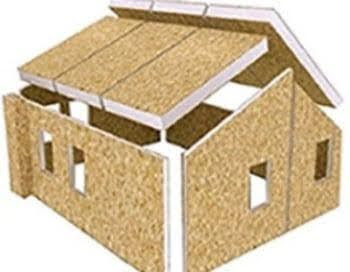
- Structural Insulated Panels (SIPs) and Insulated Concrete Forms (ICFs) reduce heating and cooling loads.
- Airtight building wraps and advanced vapor barriers eliminate unnecessary thermal leakage.
- Low-E windows and triple glazing maximize natural light while minimizing heat transfer.
These solutions create buildings that stay comfortable year-round using far less energy.
2. Renewable Energy Integration
Renewable energy is no longer an add-on—it’s becoming a core design principle.
Solar Innovations
- High-efficiency solar panels
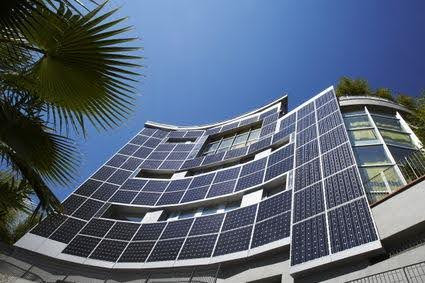
- Building-integrated photovoltaics (BIPV), such as solar shingles and façade-integrated systems
- Solar thermal systems for hot water
Wind & Geothermal
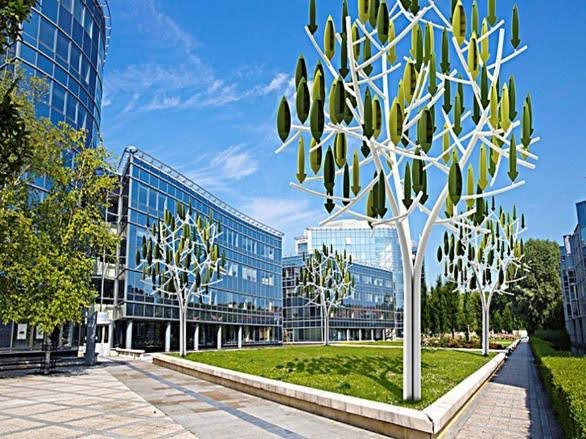
- Vertical-axis rooftop turbines for urban settings
- Ground-source heat pumps that tap into stable underground temperatures
Renewable energy systems reduce dependence on fossil fuels and move buildings closer to net-zero performance.
3. Smart Building Automation
IoT (Internet of Things) is revolutionizing building management.
- Smart thermostats that adapt to usage patterns
- Automated lighting systems with occupancy and daylight sensors
- Real-time energy monitoring to identify inefficiencies
- AI-driven HVAC controls for optimal indoor climate
These technologies not only cut energy consumption but also enhance occupant comfort and reduce operational costs.
4. Water Conservation & Recycling Systems
Water scarcity is a global concern, making efficient water systems essential.
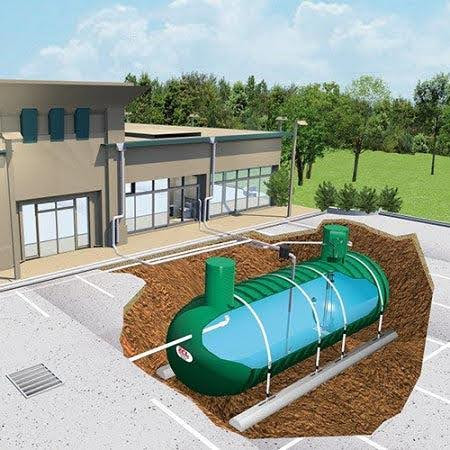
- Greywater recycling for flushing toilets and irrigation
- Rainwater harvesting with smart filtration
- Low-flow fixtures with sensor-based control
- Advanced leak-detection systems to prevent waste
By reusing and conserving water, buildings become more resilient and environmentally responsible.
5. Sustainable Construction Materials
Innovative materials are replacing traditional, resource-heavy options.
- Cross-laminated timber (CLT): strong, low-carbon, and ideal for mid-rise structures
- Recycled steel and reclaimed wood
- Hempcrete and mycelium-based composites for insulation and wall assemblies
- Low-carbon concrete alternatives using fly ash, slag, or carbon-capture technologies
These materials drastically reduce embodied carbon while maintaining or improving structural performance.
6. Passive Design Strategies
Passive design is a timeless yet powerful approach to sustainability.
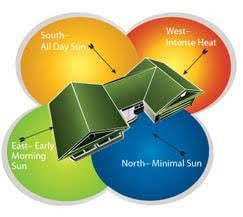
- Optimal building orientation for solar gain
- Shading devices and louvers to control heat
- Thermal mass to regulate indoor temperature naturally
- Natural ventilation and cross-breezes
By working with nature, passive strategies reduce reliance on mechanical systems and enhance building longevity.
7. Green Roofs & Living Walls
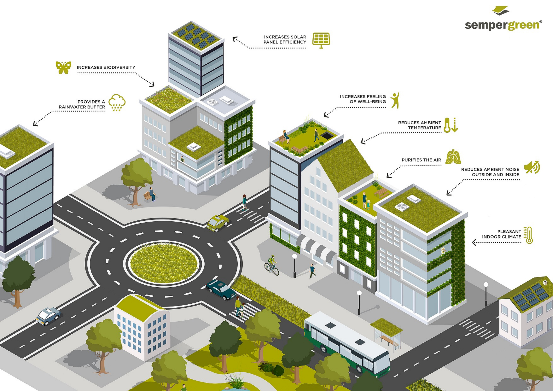
Green building skins are more than aesthetic—they provide functionality.
- Reduce heat island effect
- Improve air quality
- Add insulation
- Enhance biodiversity
- Manage stormwater
Green roofs can also extend the lifespan of roofing membranes by shielding them from UV exposure.
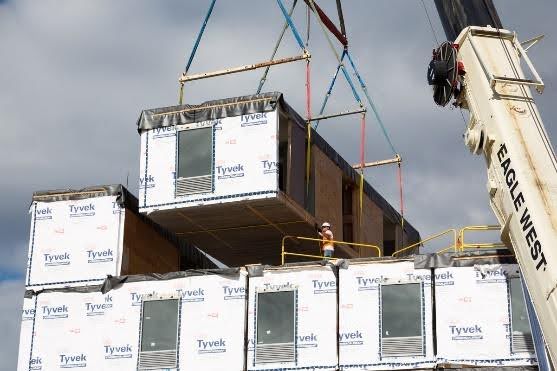
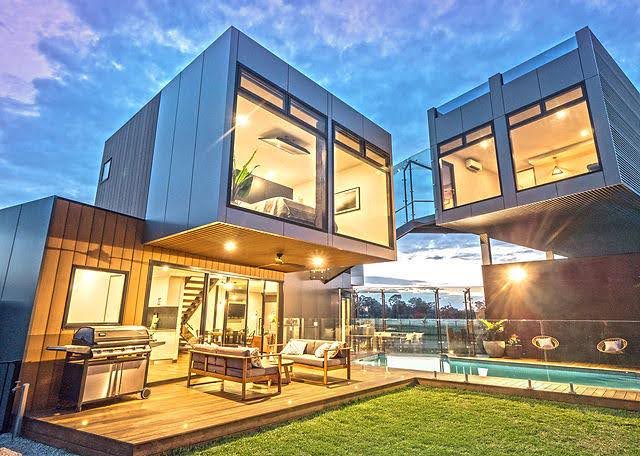
8. Modular & Prefabricated Construction
Industrialized building techniques streamline construction while minimizing waste.
- Off-site fabrication ensures precision and reduces material waste
- Modular components speed up assembly and lower labor costs
- Hybrid systems integrate timber, steel, and concrete efficiently
Modular building also supports scalability—an ideal solution for housing shortages and emergency shelters.
9. Building Lifecycle Assessment (LCA) Tools
Modern software allows designers and developers to measure a building’s impact from start to finish:
- Embodied carbon analysis
- Material sourcing impact
- Operational energy predictions
- End-of-life recycling scenarios
LCA tools ensure sustainability is embedded in decision-making from concept to demolition.
10. Net-Zero & Regenerative Buildings
The future extends beyond sustainability toward regeneration.
- Net-zero energy buildings (NZEB) produce as much energy as they consume.
- Net-positive buildings generate surplus energy.
- Regenerative design focuses on restoring ecosystems, improving biodiversity, and leaving a positive environmental footprint.
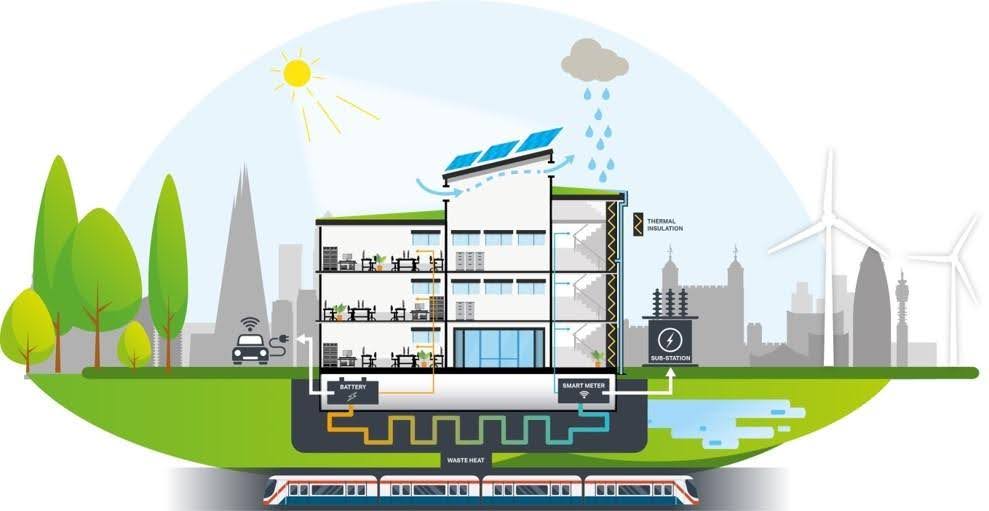
These models are becoming increasingly achievable thanks to integrated technologies and performance-driven design.
Final Thoughts
Sustainable building technology is not just a trend—it is the new standard for responsible development. As nations push toward carbon-neutral goals and communities demand healthier, more efficient buildings, the construction industry must continue innovating.
For professionals like you working across Curaçao, Bonaire, and Canada, these technologies open the door to resilient housing solutions, eco-friendly developments, and long-term cost savings. Whether you’re planning large-scale projects or community-focused initiatives, integrating sustainable technology is key to building the future.