
Across Canada, the lack of affordable housing has evolved from a policy challenge into a full-scale national crisis. From major cities like Toronto and Vancouver to smaller communities across the Prairies and Atlantic Canada, rising rents, limited supply, and an overwhelmed social housing system have left countless Canadians struggling to secure a safe, stable place to call home.
For individuals, families, and communities, the consequences are serious—and in many cases, devastating. But as Canada expands, ages, and welcomes record numbers of newcomers, the urgency to address our housing shortfall has never been greater.
A Crisis Years in the Making
Canada’s housing shortage is not new, but factors over the past decade have intensified it:
Demand is Outpacing Supply
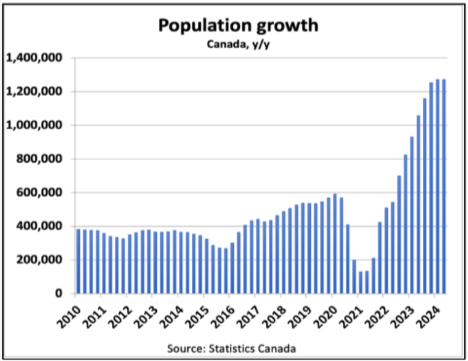
Population growth—through immigration, interprovincial movement, and natural growth—far exceeds the pace of new housing construction. Canada needs an estimated 3.5 million additional homes by 2030 to restore affordability. Current building rates fall short of this target.
Rising Costs Far Outrun Income
Rent and property prices have skyrocketed, while incomes remain comparatively stagnant. For many households:Rent consumes 50% or more of monthly income
- Homeownership feels increasingly out of reach
- Families face forced moves due to rent increases or renovictions

Social Housing is Undersupplied and Overstretched
Social and supportive housing has not kept pace with need. Waitlists stretch for years in many provinces, leaving vulnerable populations—seniors, low-income workers, newcomers, people with disabilities—without stable options.
The Human Impact: A Growing Homelessness Crisis
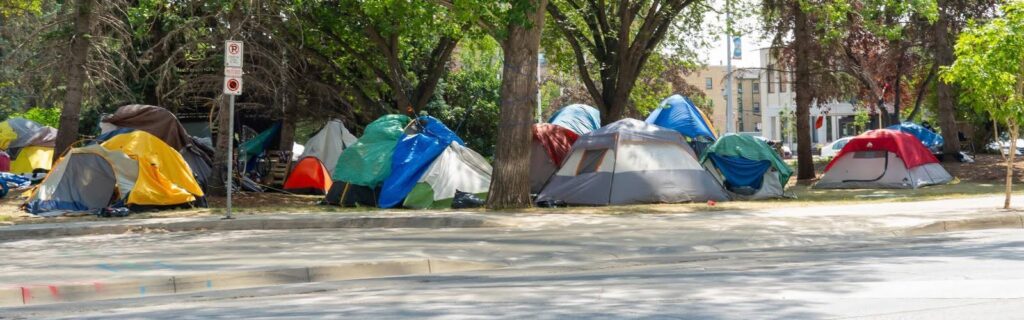
Lack of affordable housing directly fuels homelessness. Cities across Canada report record shelter use and growing encampments. The face of homelessness is also changing:
- More working adults who hold full-time jobs
- More newcomer families who cannot find affordable rentals
- More youth and seniors falling into housing insecurity
- More people experiencing hidden homelessness, staying with friends or living in unsafe, temporary situations
Homelessness is no longer a fringe issue—it is a national emergency.
Why Affordable Housing Matters for Canada’s Future
Affordable housing is more than a roof—it is the foundation of a healthy, stable, and prosperous society.
1. It Supports Economic Growth
Businesses cannot thrive when workers cannot live near workplaces. Housing shortages contribute to labour shortages, reduced productivity, and rising operating costs.
2. It Strengthens Communities
Stable housing reduces crime, improves health outcomes, and creates stronger schools, neighbourhoods, and local economies.
3. It Supports Newcomer Integration
Canada’s immigration system depends on adequate housing supply. Without housing, newcomers face unnecessary hardship that slows their integration and limits their contributions.
4. It Saves Public Money
Homelessness and housing instability lead to higher public spending on healthcare, emergency services, and shelters. Affordable housing is not only humane—it is financially responsible.
Building the Future: What Needs to Change
To solve the housing crisis, Canada must embrace bold, coordinated solutions—combining government leadership, private sector innovation, and community-driven models.
1. Build at Scale, and Fast
Canada must dramatically increase housing starts—especially purpose-built rentals and affordable units. This requires streamlined permitting, incentives for developers, and partnerships with local construction and design firms.
2. Encourage Innovative Housing Models
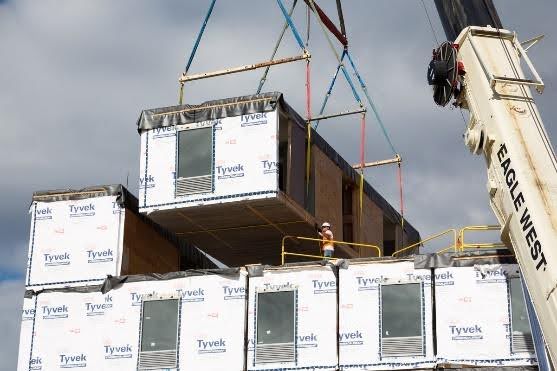
- Modular and prefabricated developments
- Mixed-income communities
- Semi-franchise or scalable models for rapid deployment
- Public–private partnerships
- Cooperative housing
These approaches reduce costs, shorten timelines, and improve long-term sustainability.
4. Protect Existing Affordable Housing
Preventing the loss of older, more affordable units is just as important as building new ones. Policy tools such as rent stabilization, vacancy control, and anti-renoviction measures play a critical role.
5. Invest in Supportive Housing
For individuals who need more than four walls—such as seniors, people with disabilities, or those exiting homelessness—supportive housing creates stability, dignity, and better outcomes.
A Path Forward
Canada stands at a crossroads. We can continue down the current path—where housing becomes increasingly inaccessible, inequality deepens, and social pressures rise—or we can choose a future where every person has a place to call home.
Affordable housing is not a luxury. It is a necessity, a right, and a cornerstone of nation-building.
By bringing together visionary policy, strong leadership, community partnership, and responsible development, Canada can build a housing system that is sustainable, inclusive, and prepared for the future.